
Bridging the gap between aspiration and professional competence in television broadcasting
Lotus-pulsar emerged from a straightforward observation: the television industry requires specific technical and creative skills that are rarely taught comprehensively in traditional educational settings. Many talented individuals find themselves underprepared for the realities of broadcast environments.
We established our programmes to address this gap directly. Rather than offering broad media studies, we focus exclusively on the practical competencies needed for specific broadcasting roles.
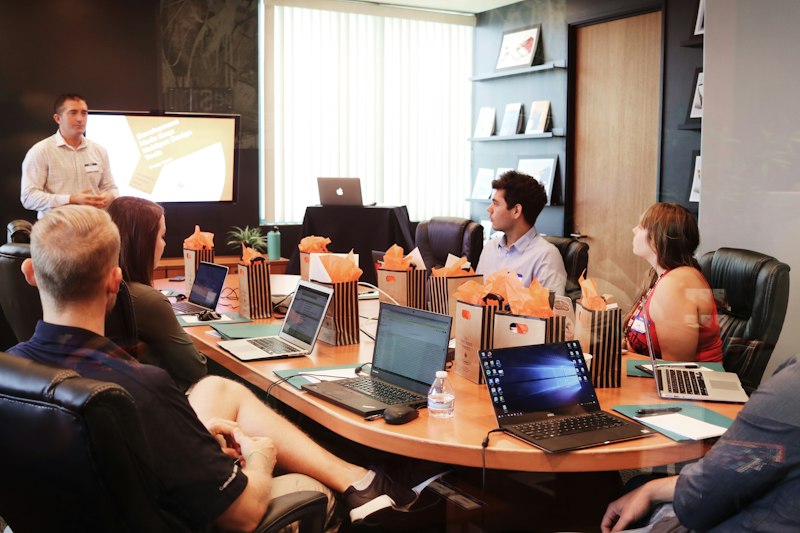
Every session centres on hands-on work with broadcast equipment and software. Theoretical concepts are introduced only as they become necessary for understanding practical challenges.
Broadcasting technology and workflows evolve continuously. Our curriculum reflects current industry practices, not outdated techniques that might have been standard five years ago.
We structure learning around scenarios you'll actually encounter in professional environments, including the time pressures and collaborative dynamics of real productions.
Complex broadcasting tasks are broken down into manageable components. You develop foundational competencies before progressing to more challenging techniques.
We believe professional development should be transparent about what it can and cannot achieve. Our programmes provide structured learning and practical experience, but they cannot substitute for on-the-job experience in actual broadcast settings.
Success in television broadcasting depends on multiple factors beyond technical training: networking, timing, adaptability, and persistent effort all play crucial roles. We focus on what we can control – ensuring you develop genuine competence in your chosen specialisation.
This honest approach means we attract learners who are serious about the work involved, which in turn creates better learning environments for everyone.
Our instructors are working professionals who currently operate in broadcast environments. They teach because they value the opportunity to shape the next generation of specialists, not because teaching is their primary career.
This means you learn from people who face the same technical challenges and workflow pressures you'll encounter, and who can provide context that goes beyond equipment manuals.
We provide clear feedback on your developing skills, including areas that need more work. Progress requires knowing where you actually stand.
You'll have access to the same equipment types used in professional settings, so your training translates directly to workplace contexts.
As broadcasting technology and practices evolve, we adjust our teaching content accordingly, ensuring relevance to current industry standards.
Former participants can reach out with questions as they navigate early career challenges. We maintain these connections because we're invested in your long-term success.